Thermal Camera Imaging
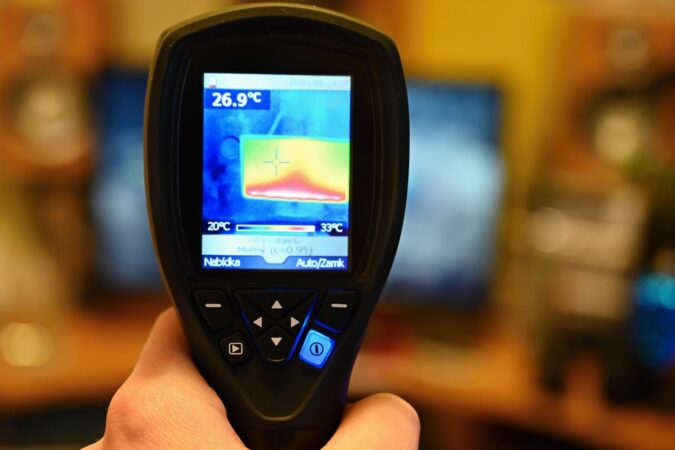
Thermal camera imaging (infrared thermography) is a non-contact scan that maps temperature differences: those patterns can help us spot areas working harder, compensating, or under stress — even when the problem feels “vague” or keeps moving around.
About the Therapy
Thermal imaging is a high-precision infrared scan that visualises temperature differences on the body’s surface — all without touch, needles, or radiation.
Your body constantly adjusts blood flow and muscle activity to protect areas that feel overloaded. When one side is irritated, restricted, or overcompensating, it may show up as a consistent “hotter” or “cooler” pattern compared to the other side.
Thermal imaging gives us an objective map of these patterns so we can:
- track how your body responds over time
- focus the physical exam more precisely
- choose the right therapy target areas
Who it’s for:
- Those with pain that is unclear, inconsistent, or keeps returning
- Those who feel “tight” or overloaded on one side (neck/shoulder, back/hip, knee/ankle)
- Those who suspect compensation patterns after injury, training, pregnancy, or long desk work
- Those who are in rehab and want a baseline + progress tracking
- Those who want more clarity before starting a treatment plan
Key Benefits
- Non-contact, no radiation, no needles
- Helps identify stress hotspots linked to overload or irritation
- Highlights left–right asymmetries that may affect posture or movement
- Supports circulation pattern review (areas running consistently warmer/cooler)
- Improves treatment planning: helps us move from “guessing” to targeted work
- Gives a baseline to monitor change across sessions
What happens during your session
Session Duration: two-part session with 10–25 minutes for the scan, plus consultation time
Before The Scan:
- Short intake: your symptoms, history, and goals
- You’ll get simple prep guidance (what to avoid before the scan, clothing tips)
During The Scan:
- Step 1: The scan is performed in a temperature-controlled room
- Step 2: You’ll have a short acclimatisation period (~10 minutes)
- Step 3: The specialist captures a series of images of the relevant areas (or full body if needed). No touching, no discomfort.
After The Scan:
- During the consultation, we explain what the patterns suggest
- You’ll receive clear next steps: what to treat first, what to monitor, and the best options for your case
Safety Standards
Medical-Grade Equipment
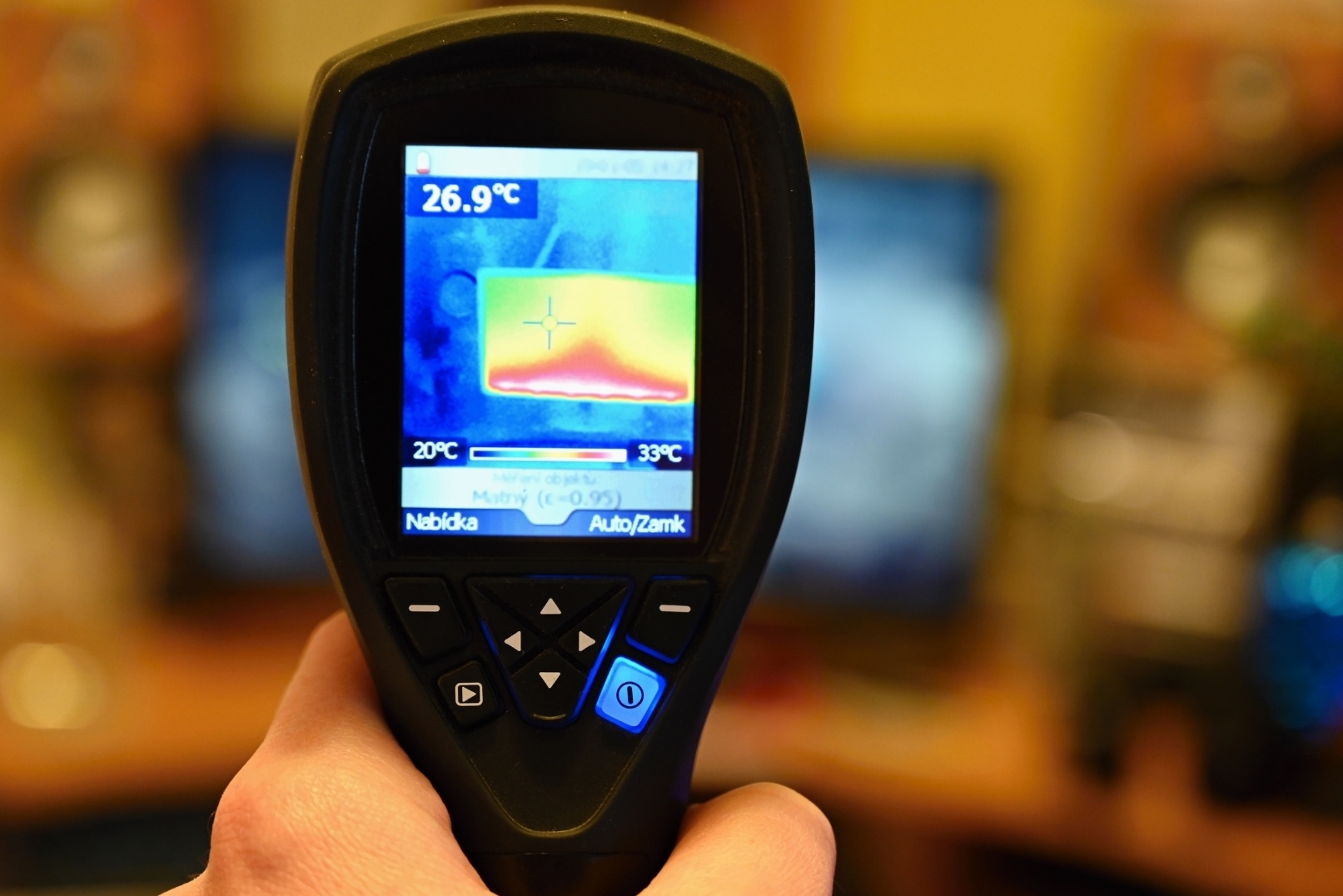
We use a Hikmicro M60 calibrated thermal imaging device and a controlled protocol to minimise external factors that can distort results.
Rigorous Hygiene and Privacy Protocols
- The scan is non-contact
- Sessions are performed in a private room, with clear instructions on what you can keep on / remove depending on the area being scanned
- Your images and notes are handled confidentially
Clear Screening and Guidance
Before the scan, we do a short screening and give prep guidance (e.g., what to avoid beforehand, how to dress) so the images reflect your body — not temporary triggers like heat, exercise, or skincare products.
If you’re unsure whether thermal imaging is appropriate, we’ll clarify during your consultation and recommend the safest option for your case.
Ask questions and plan your first session
Not sure if it’s right for you? That’s exactly why we start with a consultation. Our team will review your situation and recommend the best approach — for free.