TENS Therapy
Transcutaneous Electrical Nerve Stimulation — a short, non-invasive session that uses gentle electrical stimulation to help reduce pain signals and relax overworked muscles.
About the Therapy
When pain sticks around, the problem is rarely “just pain.” Your nervous system becomes more sensitive, muscles start guarding, and movement gets limited. That’s how a simple issue turns into a pattern: less movement – more stiffness – more pain.
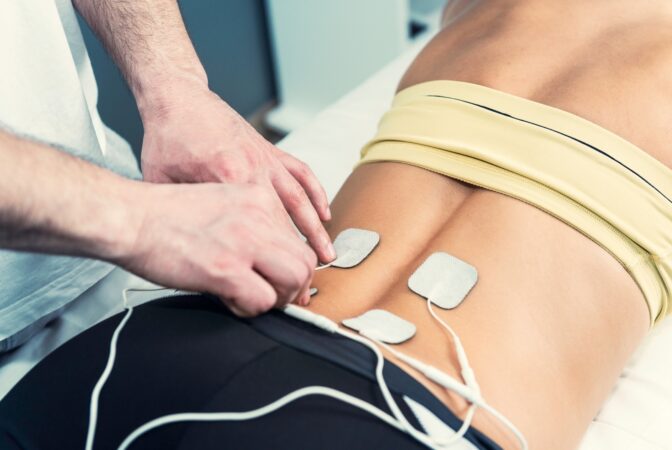
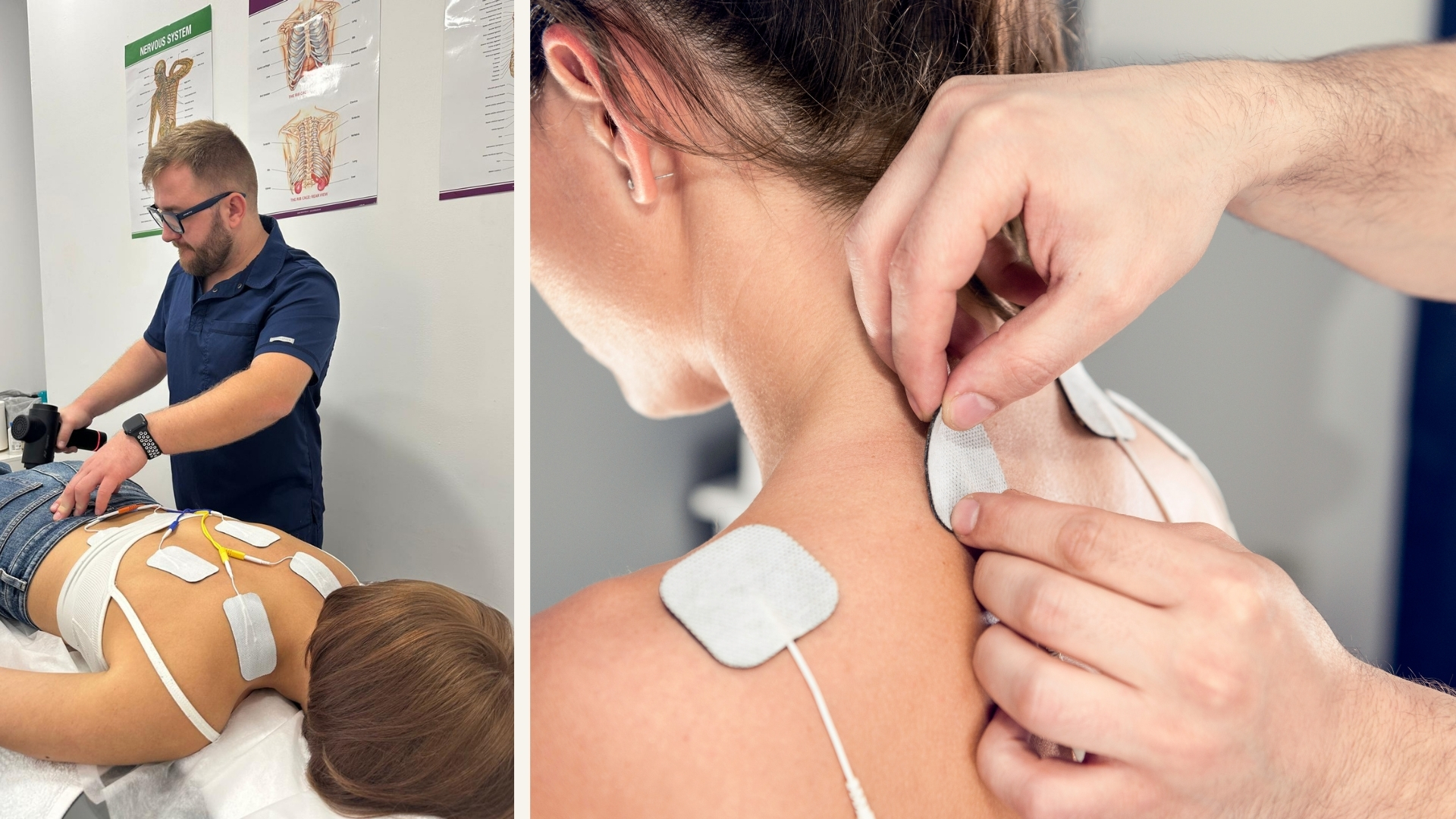
TENS (Transcutaneous Electrical Nerve Stimulation) is a practical tool we use to interrupt that loop. Small electrodes are placed on the skin near the painful area, and the device delivers mild electrical pulses. Most clients describe the sensation as gentle tingling or tapping.
TENS doesn’t treat the root cause on its own. What it can do is lower pain intensity in the moment, reduce muscle guarding, and help you tolerate movement, exercises, or manual therapy better.At Seena, TENS is used as part of a kinesiology session (not a standalone “quick fix”), so it supports a broader plan.
Who it’s for:
- People with muscle tension and pain that limits movement (neck, shoulders, back, hips)
- Those dealing with pain flare-ups during recovery or increased load
- Clients who want a non-drug option to support function while addressing the underlying cause
- Anyone who needs pain to be more manageable to start moving again
Key Benefits
- Helps reduce pain signals (non-invasive, drug-free support)
- Can decrease protective muscle tightness and spasms
- May improve comfort during movement and daily activity
- Often supports better participation in rehab exercises and manual therapy
- Adjustable intensity — tailored to your sensitivity and goals
What happens during your session
Session Duration: used during a kinesiology session
Before Your Session:
- Quick screening (your symptoms, medical history, and any contraindications)
- We explain what you’ll feel and what TENS can/can’t do
- Electrode placement is chosen based on your pain pattern and assessment
During Your Session:
- Step 1: Electrodes are placed on the skin in the targeted area.
- Step 2: The specialist gradually adjusts intensity to a level that feels clear but comfortable.
- Step 3: You’ll feel mild tingling/pulsing while the device runs. We can change settings any time based on feedback.
After Your Session:
- We reassess pain and movement response
- If helpful, we continue with your kinesiology plan (exercises/manual techniques)
- You’ll get simple guidance on what to do (and avoid) for the next 24 hours
Safety Standards
Medical-Grade Equipment
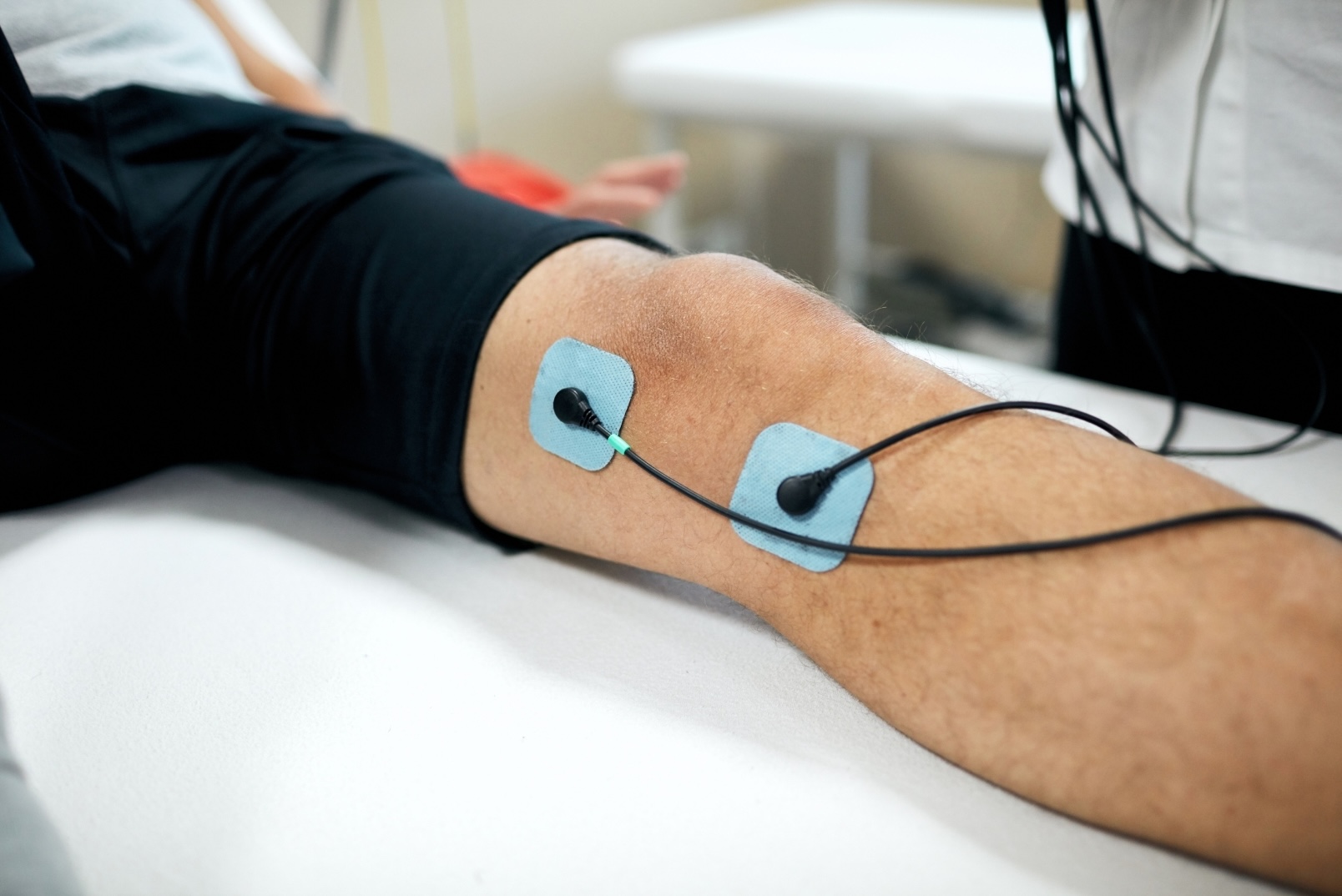
We use professional TENS devices with precise intensity control for safe, consistent stimulation. Electrodes are positioned by a trained specialist, and intensity is adjusted gradually based on your comfort and clinical goal.
Rigorous Hygiene Protocols
- Skin is checked before application
- Electrodes and contact surfaces are cleaned/disinfected between clients
- We avoid irritated areas and adjust placement if skin sensitivity is present
Contraindications
TENS is safe for many people, but we typically do NOT use it if you have:
- A pacemaker, implanted defibrillator, or other implanted electrical device
- Pregnancy (especially on/near the abdomen or lower back), unless specifically approved by your clinician
- Epilepsy (requires case-by-case screening)
- Broken/irritated skin at the electrode site or active skin infection in the area
If you’re unsure, we’ll clarify this during your consultation and recommend the safest option for your case.
Ask questions and plan your first session
Not sure if it’s right for you? That’s exactly why we start with a consultation. Our team will review your situation and recommend the best approach — for free.