Shockwave Therapy
Targeted acoustic-wave treatment used alongside kinesiology to reduce persistent tendon/heel/joint pain and support tissue recovery — when rest and exercises alone haven’t been enough.
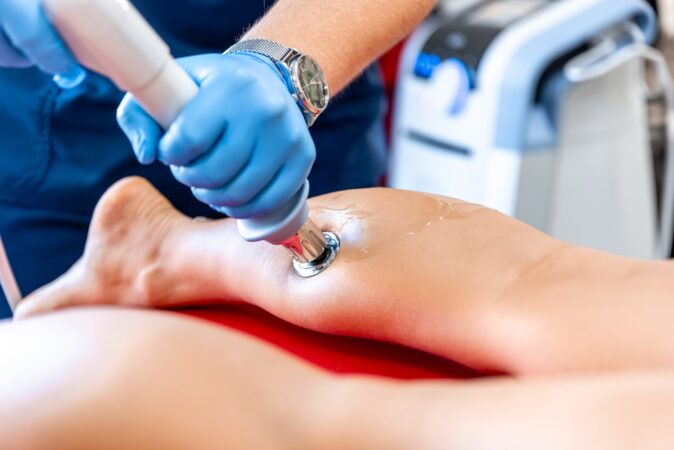
About the Therapy
Shockwave Therapy (also known as ESWT) is a non-invasive treatment that delivers controlled acoustic pulses to a specific painful area — most often where a tendon or fascia attaches to bone. The goal is to “wake up” a slow-healing zone and support the body’s repair process, so pain reduces and movement becomes easier again.
At Seena Centre, shockwave is used as an add-on to a kinesiology session, as the best outcomes usually come from combining the right local stimulus (shockwave) with the right loading and movement plan (kinesiology).
It’s commonly considered when symptoms have been persistent — for example:
- certain shoulder tendon issues (selected cases)
- heel pain (plantar fasciitis) that keeps coming back or doesn’t improve
- Achilles tendon pain
- tennis/golfer’s elbow
- patellar tendon pain (knee)
Who it’s for:
- Those with persistent tendon/heel pain limiting walking, training, or daily life
- Those who tried rest, stretching, or basic physio but still feel “stuck”
- Those who want a non-surgical, targeted option as part of a structured rehab plan
Key Benefits
- Helps reduce localized tendon/heel pain so you can move with less guarding
- Supports a structured recovery plan when progress has plateaued
- Targets the exact problem area (not a general “full body” approach)
- Can improve tolerance to activity over time (walking, running, training)
- Non-invasive: no injections, no anesthesia, no downtime in most cases
What happens during your session
Session Duration: typically 10–15 minutes and is performed during your kinesiology session
Before Your Session:
- Brief screening (your symptoms, medical history, and whether shockwave is appropriate today)
- Clear explanation of what you may feel and how intensity is adjusted
- If needed, we confirm the exact target area through clinical assessment
During Your Session:
- Step 1: We apply a small amount of gel to the treatment area to help transmit the waves.
- Step 2: The specialist positions the device and delivers controlled pulses to the selected area. You may feel tapping, pressure, or brief discomfort — intensity is always adjusted to a level you can tolerate.
- Step 3: Right after, we continue with kinesiology work (movement, loading strategy, tissue work if needed) so the treatment fits into a clear plan
After Your Session:
- You can usually return to normal activities right away
- Some people feel temporary soreness in the area for 24–48 hours
- If a course is recommended, many clients benefit from 3–6 sessions, depending on the case
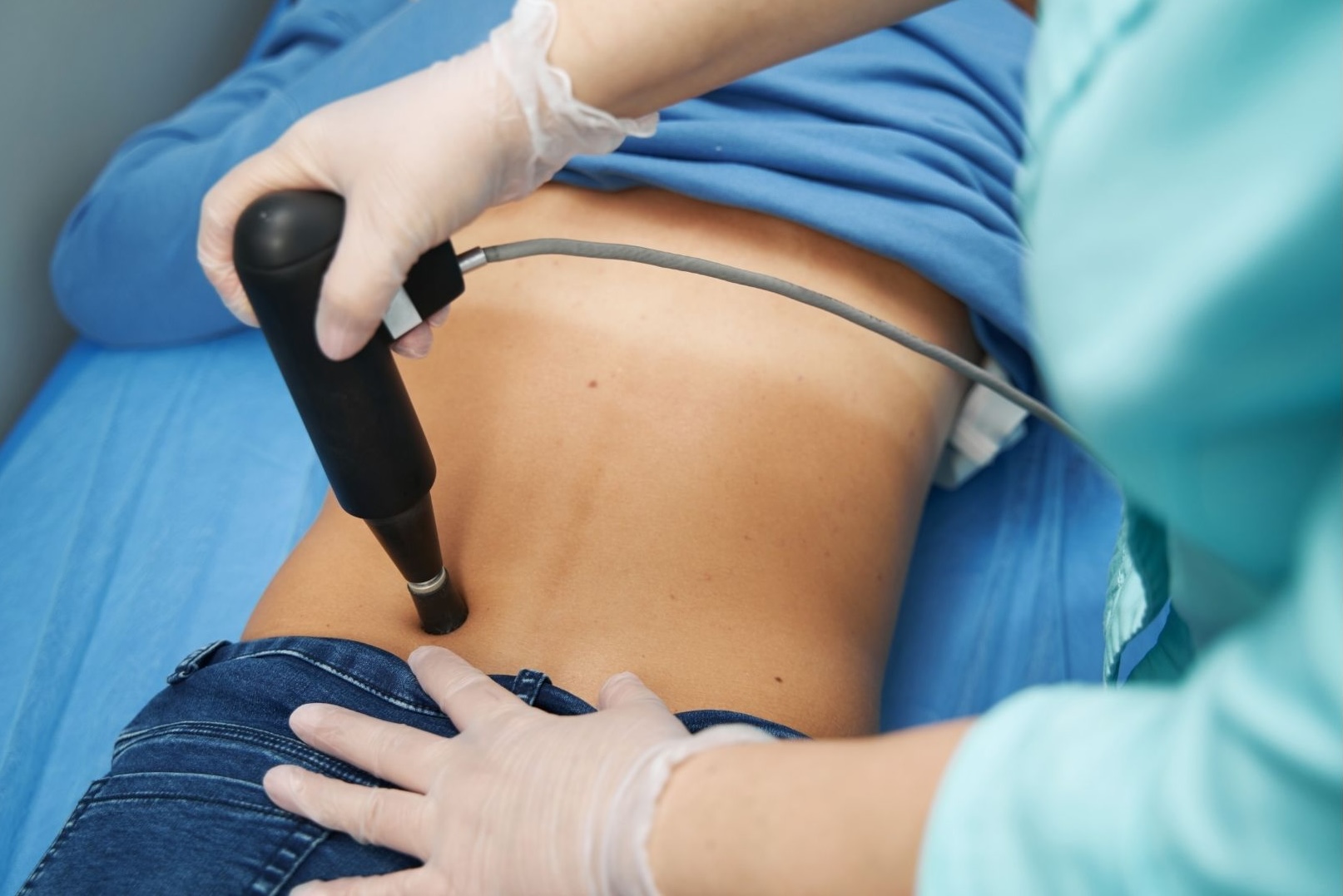
Safety Standards
Medical-Grade Equipment
We use professional shockwave equipment with controlled settings and specialist-guided application.
Rigorous Hygiene & Privacy Protocols
- Private treatment room
- Contact surfaces and equipment are disinfected between clients
- Clear communication throughout — you can pause at any time
Contraindications
Shockwave therapy is safe for many people, but it is NOT recommended in cases such as:
- Pregnancy (treated area considerations)
- Blood-clotting disorders or significant anticoagulant use (case-dependent)
- Active infection or open wounds in the treatment area
- Known/suspected cancer in the treatment area
- Certain nerve/vascular conditions (case-dependent, we screen carefully to ensure the safest option for your case)
If you’re unsure, we’ll clarify this during your consultation and recommend the safest option for your case.
Ask questions and plan your first session
Not sure if it’s right for you? That’s exactly why we start with a consultation. Our team will review your situation and recommend the best approach — for free.